The Quiet Room With the Loud Clip: How Select Committees Became the Leadership Launchpad
Photo: empty select committee room Westminster wooden benches microphones, via i.redd.it
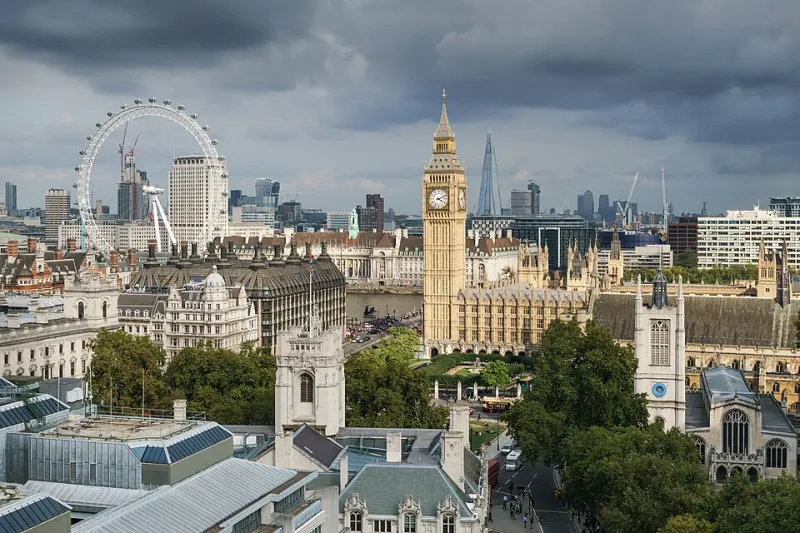
Westminster has always had a weakness for rooms that look important. The select committee room does not look important. It looks like a conference suite in a provincial hotel that has been upgraded once, badly, in the 1990s. The chairs are too low. The microphones are too sensitive. The witnesses look like they are waiting for a train that has been cancelled. And yet this is where some of the most ambitious people in British politics now go to be seen.
From scrutiny to stardom
The select committee chair was once the dignified end of a career, or the useful middle of one. It was a job for someone who liked detail, enjoyed cross-party agreement and did not mind that the biggest headline of the year was usually about departmental accounting. That has changed. The chair is now a public performer, a semi-detached opposition and a leadership contender in all but name. The room is still quiet. The clip is not.
This is not because committees have suddenly acquired powers they did not have before. It is because the media environment has changed around them. A committee hearing is cheap television: one chair, one witness, one question that lands. It is also highly shareable. You do not need a packed hall or a conference speech. You need a moment. And the committee room produces moments with the reliability of a vending machine.
The clip economy
The modern select committee chair understands the clip economy better than most ministers. A forensic question is good. A forensic question that produces a visible flinch is better. A forensic question that produces a visible flinch and a one-line summary that can be posted with a fire emoji is the whole game. The chair does not need to be rude. They need to be precise, persistent and slightly unbothered by the fact that the witness has brought three advisers and a folder.
The tactics are now well known. Ask the same question four times in slightly different ways. Ask for the figure, then ask for the figure again when the first answer is a paragraph. Read out the email. Read out the minute. Read out the bit of the annual report that the department had hoped everyone would ignore. The aim is not necessarily to destroy the witness; it is to create a record. The record becomes the clip. The clip becomes the reputation.
The interim report as campaign literature
The other great innovation is the interim report. Once a dry procedural step, it is now a political event. A chair who wants to be noticed will publish before the department has had time to bury the findings, and will do so with a press release that reads like a leadership manifesto with footnotes. The language is careful — committees are cross-party, after all — but the framing is not. The report says what the chair would say if they were allowed to say it without a crew of vice-chairs and a clerk reminding them about collective agreement.
The interim report is also a useful test of temperament. A chair who overplays it looks partisan. A chair who underplays it looks like they are still waiting for permission. The sweet spot is a report that sounds reasonable, reads devastating and gives every broadcaster a sentence they can use without checking the methodology. That is not an accident. It is a craft.
Why the least glamorous room wins
The committee room has one advantage that no other stage in Westminster can match: it makes the chair look like the only adult in the building. Ministers have to defend. Witnesses have to explain. Chairs get to ask. In a political culture that rewards certainty and punishes nuance, the question is a wonderful disguise for ambition. You can be running for leader while appearing to do nothing more controversial than seek clarification on a capital budget.
There is also the cross-party cover. A committee chair can attack the government without being accused of attacking the government, because the committee speaks with a collective voice. This is useful if you are a backbencher with leadership ambitions and a party that has not yet noticed. It is even more useful if you are a former minister who wants to remind everyone that you can still read a briefing. The room is small enough to feel intimate and large enough to hold a camera. That is the whole trick.
The audition never ends
The risk is that the audition becomes the job. A chair who spends too long performing scrutiny can start to look like a critic rather than a contender. Westminster is full of people who were once tipped for the top because they asked a brilliant question on a Tuesday afternoon. The question is whether they can do anything else. The clip is a calling card, not a campaign. The interim report is a signal, not a strategy.
Still, the direction of travel is clear. The select committee chair is no longer a consolation prize. It is a platform, a pulpit and, increasingly, a launchpad. The room is quiet, the chairs are uncomfortable and the microphones are always on. For the ambitious, that is now the point.